Ethnographic research is one of the key qualitative methods I’ve used to pursue an understanding of users. My primary users for several years were people I needed to persuade to engage with informative content. Content that provided direction, support or understanding regardless of their initial understanding.
Finding Knowledge Gaps
Project: Podcasts for Curious Minds
Research Method: Expert subject matter interviews on topics ranging from space exploration to commercial scientific research.
- The Problem: Creating a platform for “curious minds” requires identifying exactly what complex information users find most engaging and how they consume high-level political and scientific data.
- The User Research: I treated guest interviews (such as with Kate Howells, Public Education Specialist) as expert user sessions. These sessions were used to identify key educational gaps—for example, the challenge of private industry financing scientific research without immediate ROI.
- Insights & Solution: I synthesised these expert insights into “sales pitches” and scripts that addressed the audience’s specific curiosities. This ensured the content stayed relevant to current affairs while maintaining a high standard of public education.
- Source: The Brian J Matos Podcast (YouTube)
Finding New Methodologies
Project: Diaspora in Development
Research Method: Community-focused interviews with members of the global diaspora to discuss representation and human rights.
- The Problem: Traditional narratives often fail to capture the nuanced experiences of the diaspora, resulting in a lack of representation in mainstream development discussions.
- The User Research: I conducted interviews as part of a community ethnography. By facilitating discussions on identity and rights, I gathered qualitative data on how these users navigate global development systems and where those systems fail them.
- Insights & Solution: These “user stories” formed the basis for a content strategy that prioritised authentic representation. The insights helped frame development issues through the lens of lived experience, providing a more accurate “user journey” for humanitarian advocacy.
- Source: Diaspora in Development & Audio Diaspora
Finding Solutions
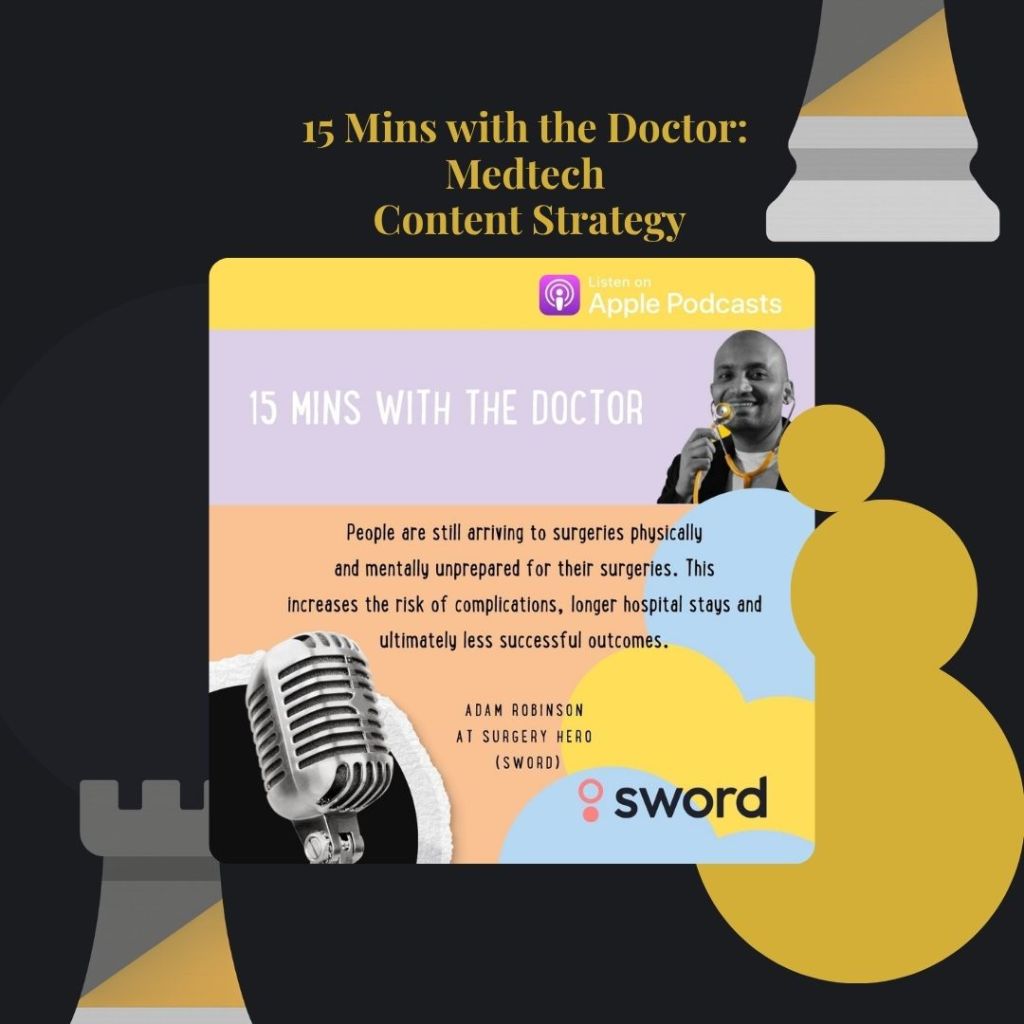
Project: Medtech & Healthtech Podcast Series
Research Method: Targeted interviews with healthcare innovators (e.g., CEOs of Surgery Hero, Deep Medical, and Feebris).
The Problem: High rates of non-attendance (8% in the UK) and poor patient preparation lead to unsuccessful surgical outcomes and administrative stress.
The User Research: I utilised the podcast as a research platform, interviewing Medtech founders to identify the “user pain points” within the NHS and global health systems. We explored questions like: “How can we reduce administrative stress?” and “Why aren’t we using precise tools earlier in the patient journey?”
Insights & Solution: I used these insights to write specialised content highlighting unique features of medical solutions—ranging from mental health to fertility support. The research-led content focused on providing the right incentives and data to help patients get the care they need.
Source: Vinay Shankar – 15 Mins with the Doctor
 MtGoPortfolio
Leave a comment