
Project Case Study
Role: Content Designer & UX Researcher
Project Type: Client
Industry: Sports, Education & Activities (SaaS)
Platform: Marketing Website & Content Hub
Project Overview
Coordinate Sport is a SaaS company serving the activities sector, including sports clubs, after-school programs, and holiday clubs for children aged 6 months to 18 years. Their platform helps organisations manage HR, coaches, scheduling, payroll and financial forecasting.
The project focused on using content and UX research to reposition the sector as professional, modern, and technology-led, while driving acquisition by improving search visibility and clarifying value communication.
My Role
I worked as a Content Designer and UX Researcher, responsible for:
Conducting qualitative user interviews
Translating insights into long and short-form content
Improving usability, clarity and discoverability across the website
Problem Space

Coordinate Sport faced multiple, interconnected challenges:
- Perception problem
The activities sector was widely perceived as having informal and unprofessional coaches who weren’t qualified to work with children. The CEO wanted to showcase the sector’s professionalism, structure, and impact, not the “man with footballs in a van” impression. - Technology adoption gap
Large organisations used bespoke systems, while smaller companies relied heavily on spreadsheets. There was no tailored SaaS solution supporting the sector end-to-end. - Customer acquisition
The business needed to attract more organisations to the platform and convince them that a tech solution was more efficient than their “spreadsheet” approach.
4. Education on SaaS value
Many organisations were unaware of how SaaS could streamline operations, forecasting, and compliance.
5. Website quality & SEO
The website required a full content audit to remove errors, improve clarity, and introduce SEO-oriented keywords.
6. Government advocacy
Coordinate Sport wanted to educate the UK government on the societal value of sport for improvements in wellbeing, academic outcomes, and reducing poverty, and encouraging intervention and funding.

Research & Discovery
Sector Interviews
I interviewed leaders and operators across the activities sector to understand:
- Operational challenges
- Success stories
- Future ambitions
- Barriers to technology adoption
These interviews highlighted a strong desire for professionalism, scalability, and legitimacy. This took the form of internal interviews & podcasts to support thought leadership.
I built an understanding of the different approaches in the activities sector and what kind of support they needed.

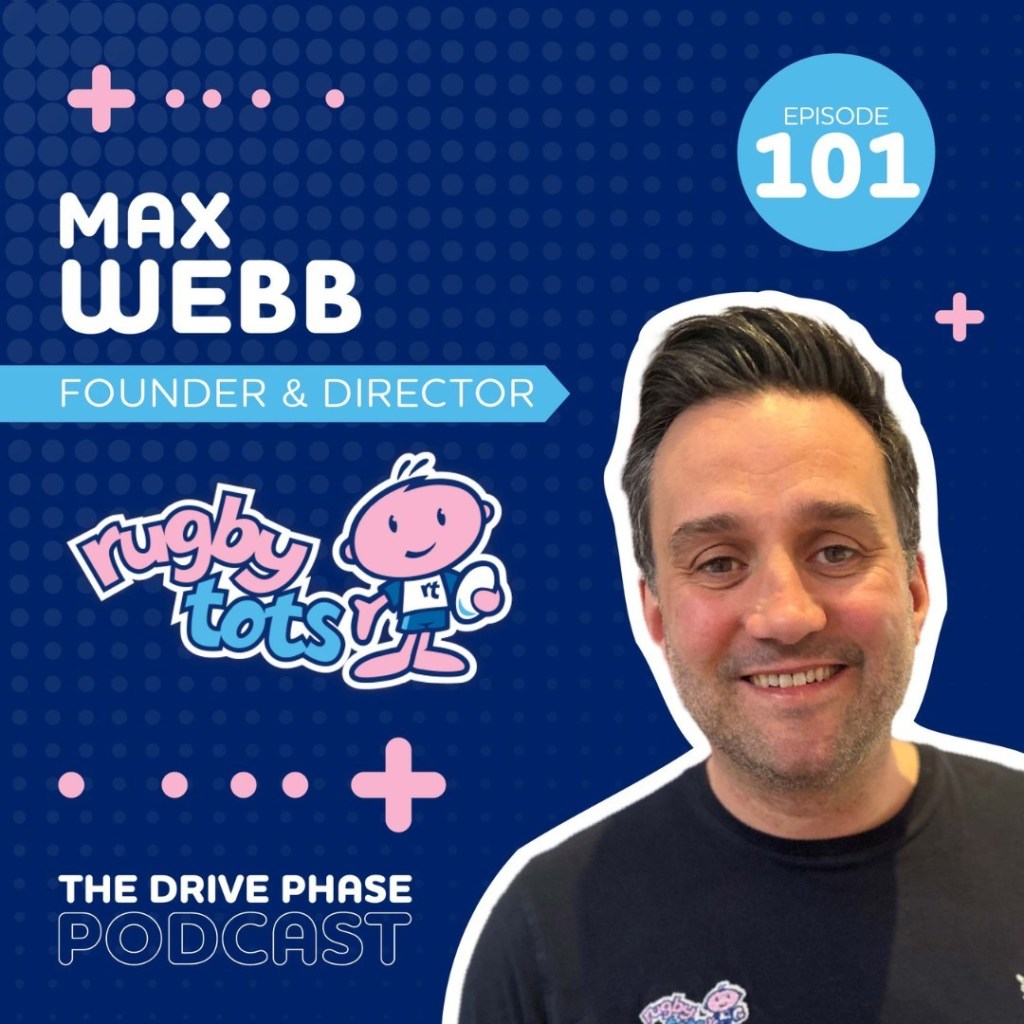
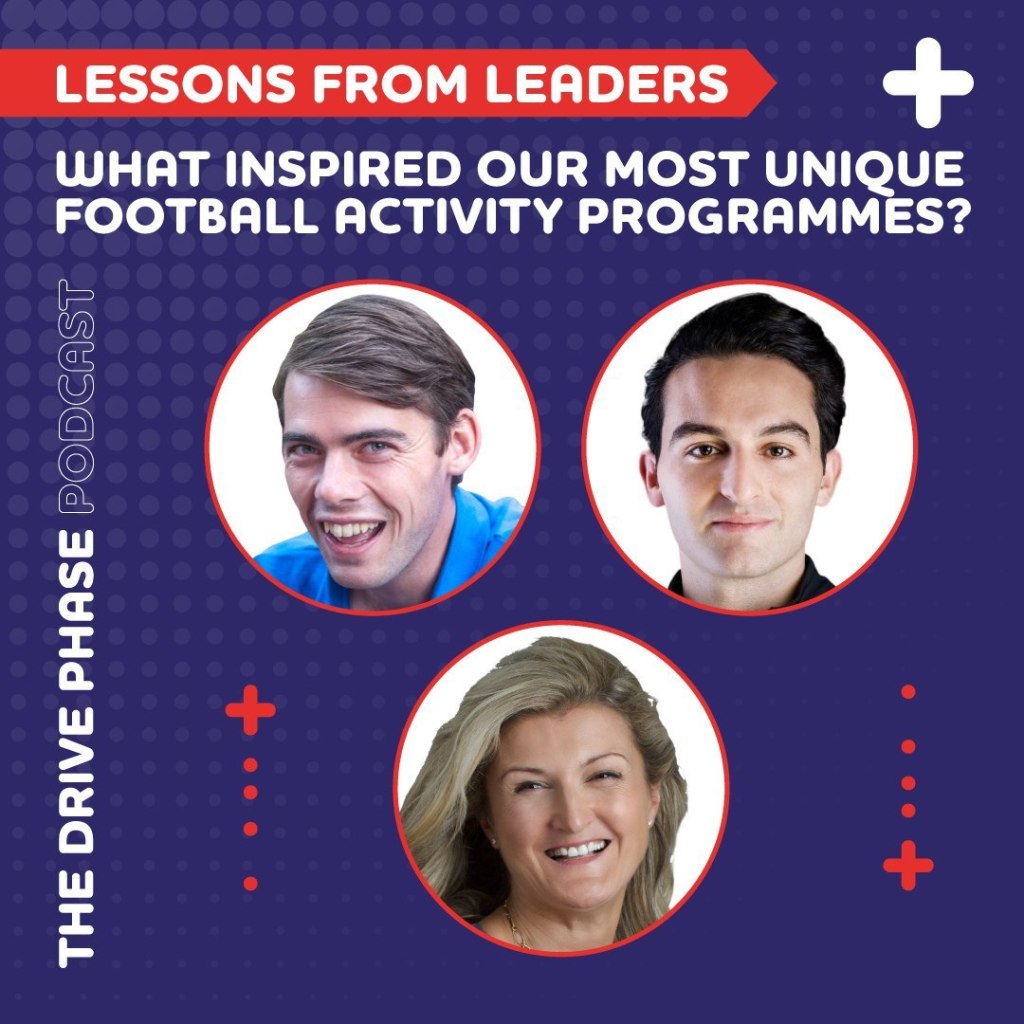
Product User Interviews
I also interviewed existing customers to understand:
– How they used Coordinate Sport or any other tech solution
– Pain points before they adopted Coordinate Sport, or pain points about any existing systems
– How the platform solved its operational and financial challenges, or what could be improved in other systems
This validated the product’s value and provided authentic language for content.
Content Strategy
Based on research insights, I designed a content strategy that positioned Coordinate Sport as a thought leader and advocate for the sector.
Key Content Decisions
Writing & UX Improvements
- Shifted interviews into thought leadership content via the Coordinate Sport podcast.
- Transcribed interviews into SEO-optimised long- and short-form articles.
- Highlighted sector success stories using executives’ own words.
Focused content around key user needs:
- Technology adoption
- Partnerships with schools and local councils.
I introduced several content and usability improvements:
- Front-loaded sentences for clarity and scannability
- Used plain English and concise language
- Conducted SEO keyword research to improve search ranking
- Added backlinks to reputable organisations featured in interviews
- Applied persona research to tailor content to audience needs
Supporting Usability
The content changes directly improved usability by:
– Making pages easier to find through search
– Using white space to improve legibility
– Offering both video and written content to support different learning styles
– Reducing cognitive load through clearer structure and hierarchy


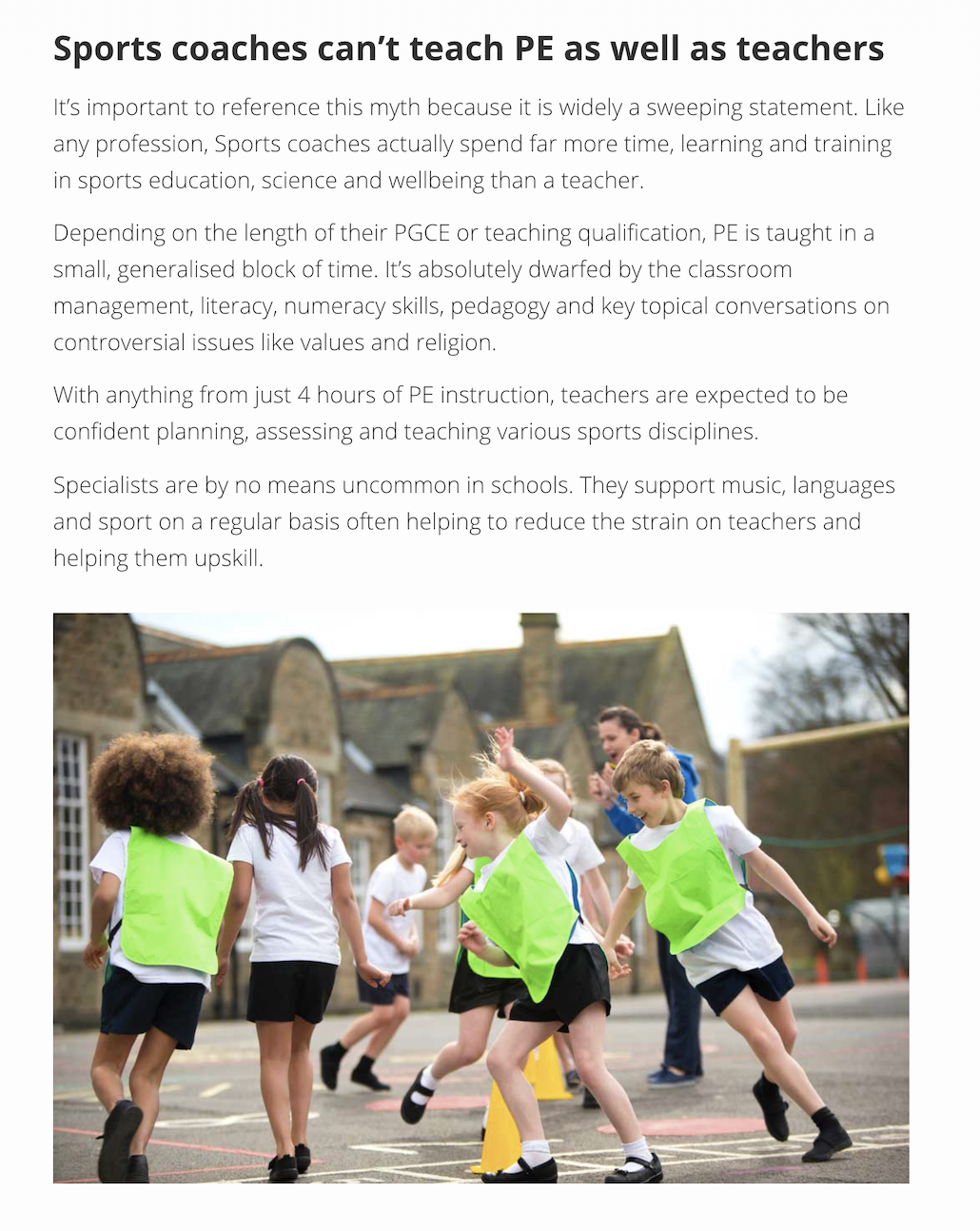
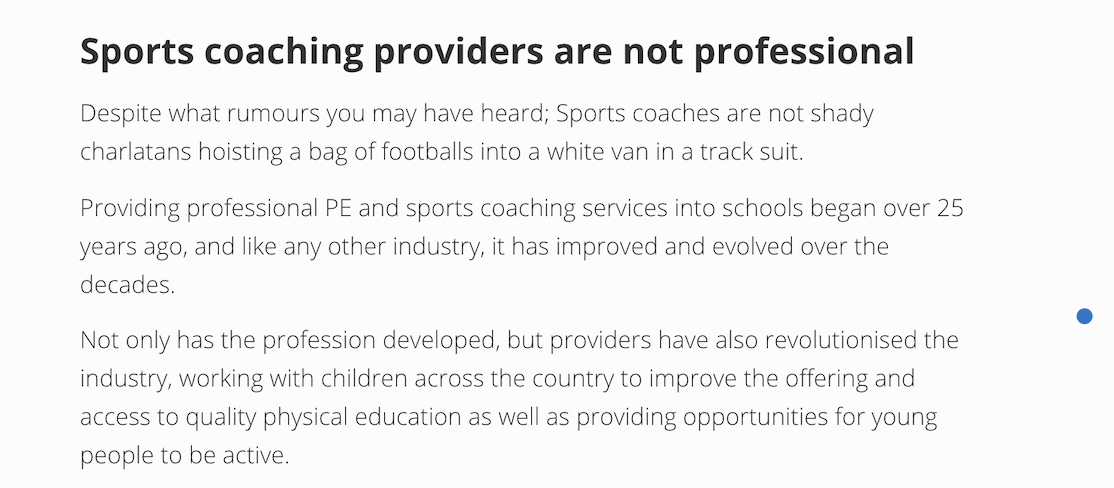
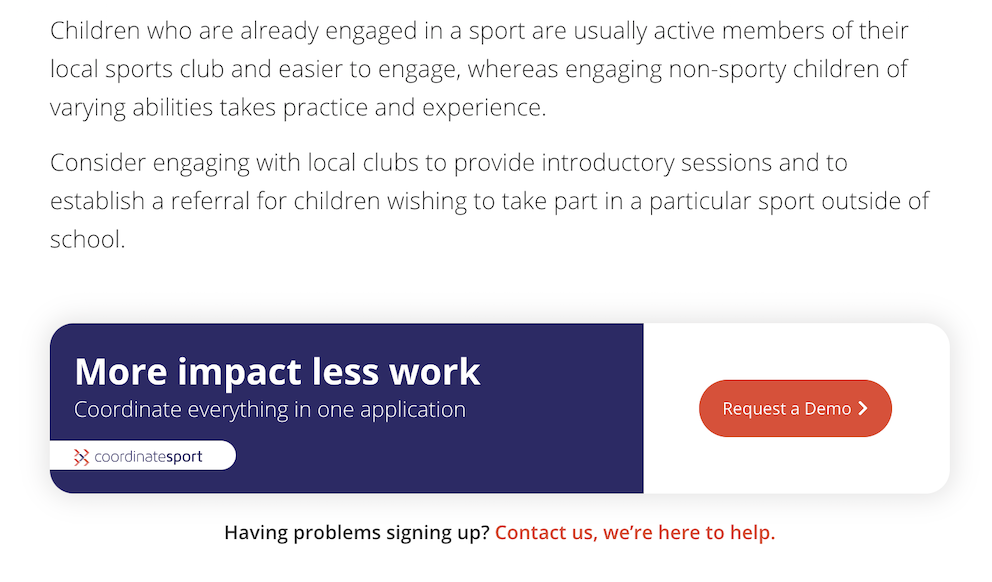
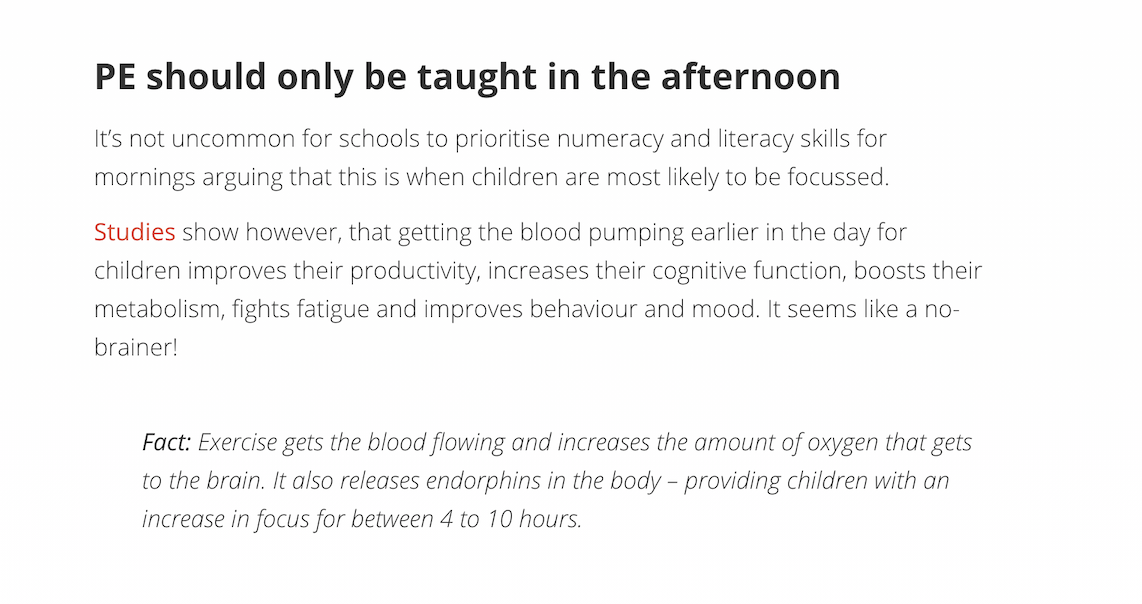
Examples of Coordinate Sport content discussing the activities sector
Outcomes
The content and UX strategy delivered measurable business impact:
– Interview insights enabled the company to expand services, including onboarding dance organisations under sporting activities
– Coordinate Sport ranked on the first page of Google for SaaS software for sports and activities
– The platform acquired approximately 70% of the UK activities sector
The company expanded into six international markets, including the UK, Australia, and Spain
Key Learnings
Content is a powerful UX tool for shaping perception and trust.
Thought leadership builds credibility in underrepresented sectors.
SEO and usability must work together to drive acquisition.
User interviews can unlock both product and business opportunities.

MtGo Design

